HOW FAÇADES SHAPE BUILDING IDENTITY TODAY

Understanding the Role of Façade Systems in Modern Architecture
In modern architecture, a façade is more than just the “outer skin” of a building, it is a highly technical envelope that balances aesthetics, functionality, and sustainability. Especially in large-scale projects such as office towers, hospitals, commercial centers, or green-certified buildings (LEED, WELL, LOTUS), façade systems are an inseparable part of the design, construction, and long-term operation strategy.
In this article, QDP – Quân Đạt & Partners, a trusted façade contractor, offers a comprehensive look into façades: from core definitions and classifications to material trends, performance standards, and their indispensable role in creating durable, energy-efficient, and architecturally valuable buildings.
1. What is a façade?
A façade is the external cladding or curtain wall system of a building,essentially the face that interacts with the outside environment. It typically includes materials such as glass, aluminum, stone, steel, brick, or composite panels. While its primary function is to protect the internal structure from weather and environmental factors, a façade also defines the building’s architectural identity, energy performance, and user experience.
A high-quality façade system must fulfill multiple criteria:
- Aesthetics: Reflects the building’s design language and brand image.
- Performance: Controls sunlight, heat, airflow, and acoustics to reduce energy usage.
- Safety: Resists wind loads, vibrations, thermal expansion, and extreme weather.
- Sustainability: Utilizes eco-friendly materials, requires minimal maintenance, and has a long lifespan.
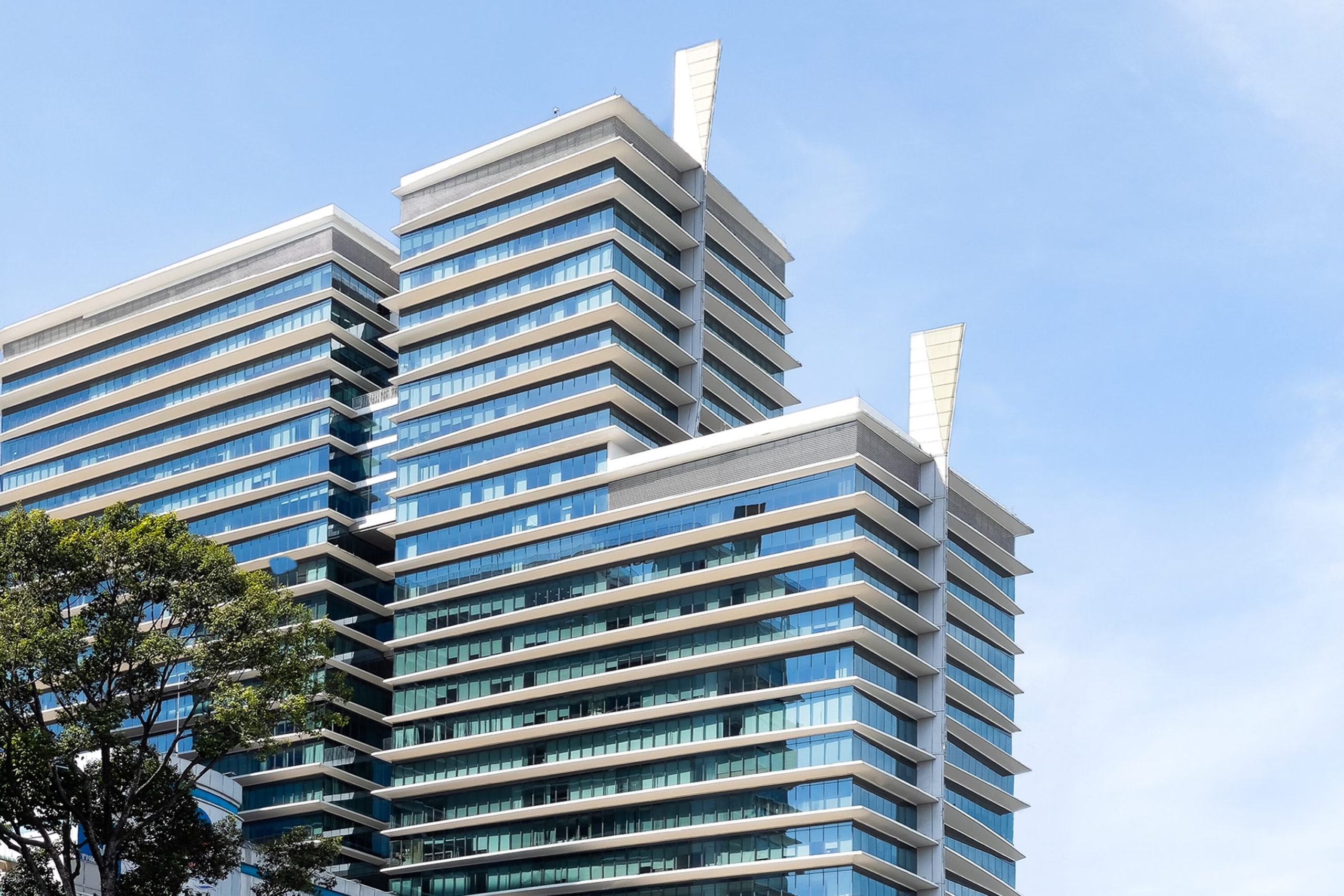
With over 20 years of experience, QDP is one of Vietnam’s leading façade contractors, specializing in complex façade systems for high-rise buildings, airports, and landmark projects both domestically and abroad.
2. Why façades matter in modern construction
While protection remains a fundamental role, today’s façades elevate buildings beyond basic enclosures. They are multifunctional systems that enhance both engineering performance and architectural expression.
The First Interface of Architecture
The façade is the first thing people see, it sets the tone for the entire architectural experience. For many buildings, especially cultural or commercial projects, the façade becomes a symbolic statement that represents innovation, prestige, and identity.Optimizing Energy Efficiency
Modern façades play a vital role in thermal and daylight control. By regulating sunlight, heat gain, and airflow, they reduce dependence on artificial lighting and air conditioning. Technologies like low-E glass, operable sunshades, and double-skin façades are now standard in green architecture.Contributing to Green Building Certifications
Façades significantly impact a project’s ability to meet LEED, WELL, or LOTUS certifications. Points are earned for energy efficiency, indoor environmental quality, and responsible material use. A well-engineered façade helps projects reach coveted standards such as LEED Gold or Platinum.
Explore more: Sustainable façade practices and LEED compliance.

3. Common façade systems and materials
Depending on design needs and project requirements, façade systems are categorized into various types:
- Unitized Curtain Walls: Pre-assembled panels offer high precision and fast installation, ideal for high-rises and premium buildings.
- Stick System / Window Wall: Assembled on-site, suitable for mid-scale projects with flexible design needs.
- ACM Panels, Louvers, Perforated Sheets: Decorative and functional cladding used for ventilated façades.
- Double-Skin Façade: Dual-layer façades for improved thermal and acoustic insulation.
- Spider Glass, Semi-Unitized, 3D Skin Façades: Advanced systems for architectural landmarks.
Explore more: QDP façade solutions

Common Materials in Façade Engineering
- Glass (Low-E, laminated, tempered): Offers thermal insulation, soundproofing, and daylight optimization.
- Aluminum Profiles: Lightweight, durable, and highly malleable for framing and support.
- Aluminum Composite Panels (ACP): Provides a sleek, modern look with diverse finishes.
- Natural Stone, Brick, or Glass Blocks: For distinct architectural or cultural expressions.
- Eco-Friendly Materials: Low-VOC composites, recycled bricks, or EPD-certified glass for sustainable construction.
4. Façade engineering by QDP since 1991
As one of Vietnam’s pioneers in façade construction, QDP has built its reputation on delivering precise, high-performance envelope systems. Our team includes in-house architects, engineers, and fabrication specialists operating under a fully integrated production chain, from design and modeling to manufacturing and installation.
We have partnered with international developers on projects in the U.S., Canada, Cambodia, and Myanmar. With capabilities to meet LEED, LOTUS, and WELL standards, QDP stands at the forefront of sustainable building solutions.
Featured projects by QDP
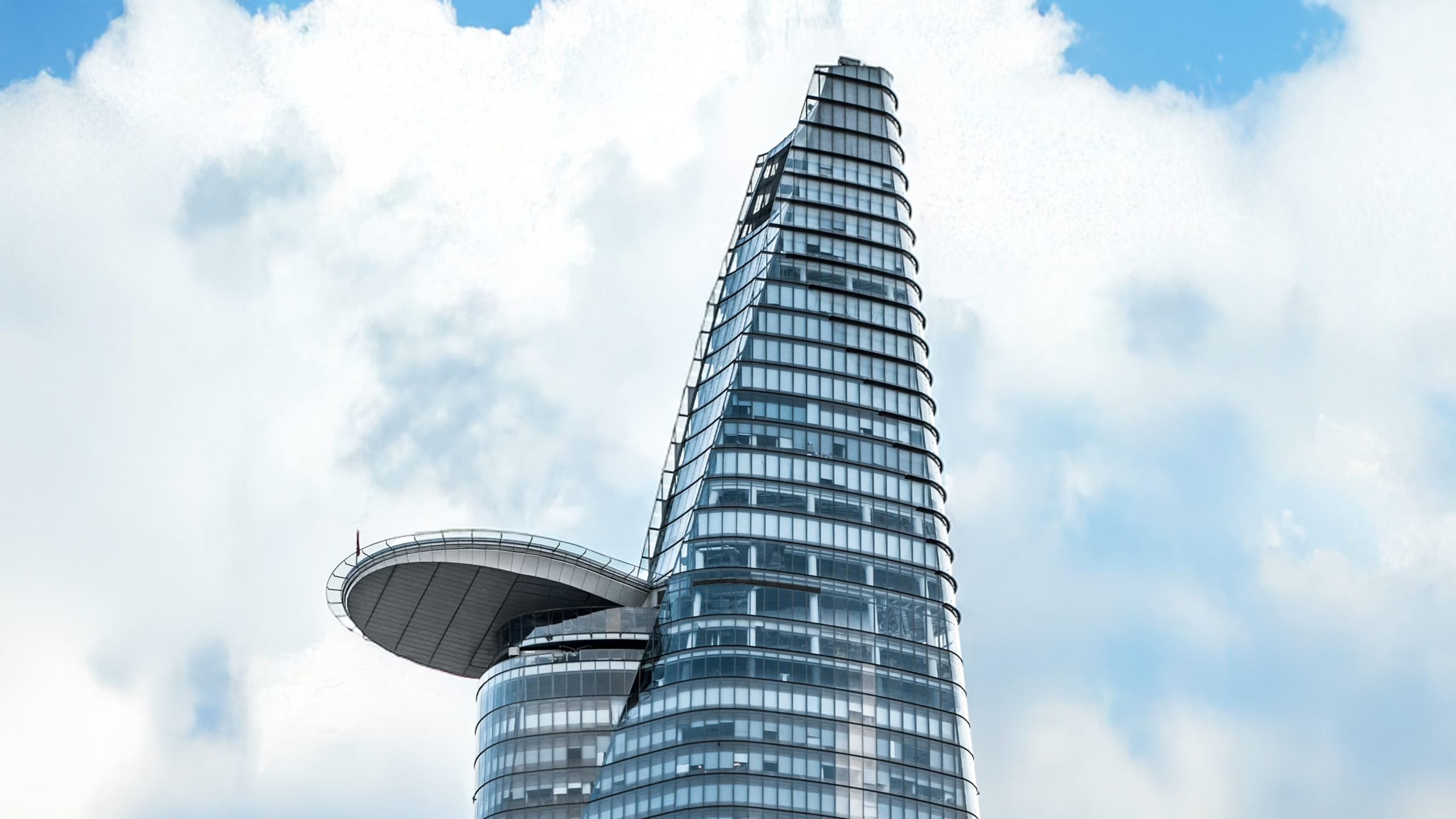
Bitexco Financial Tower – Ho Chi Minh City, Vietnam
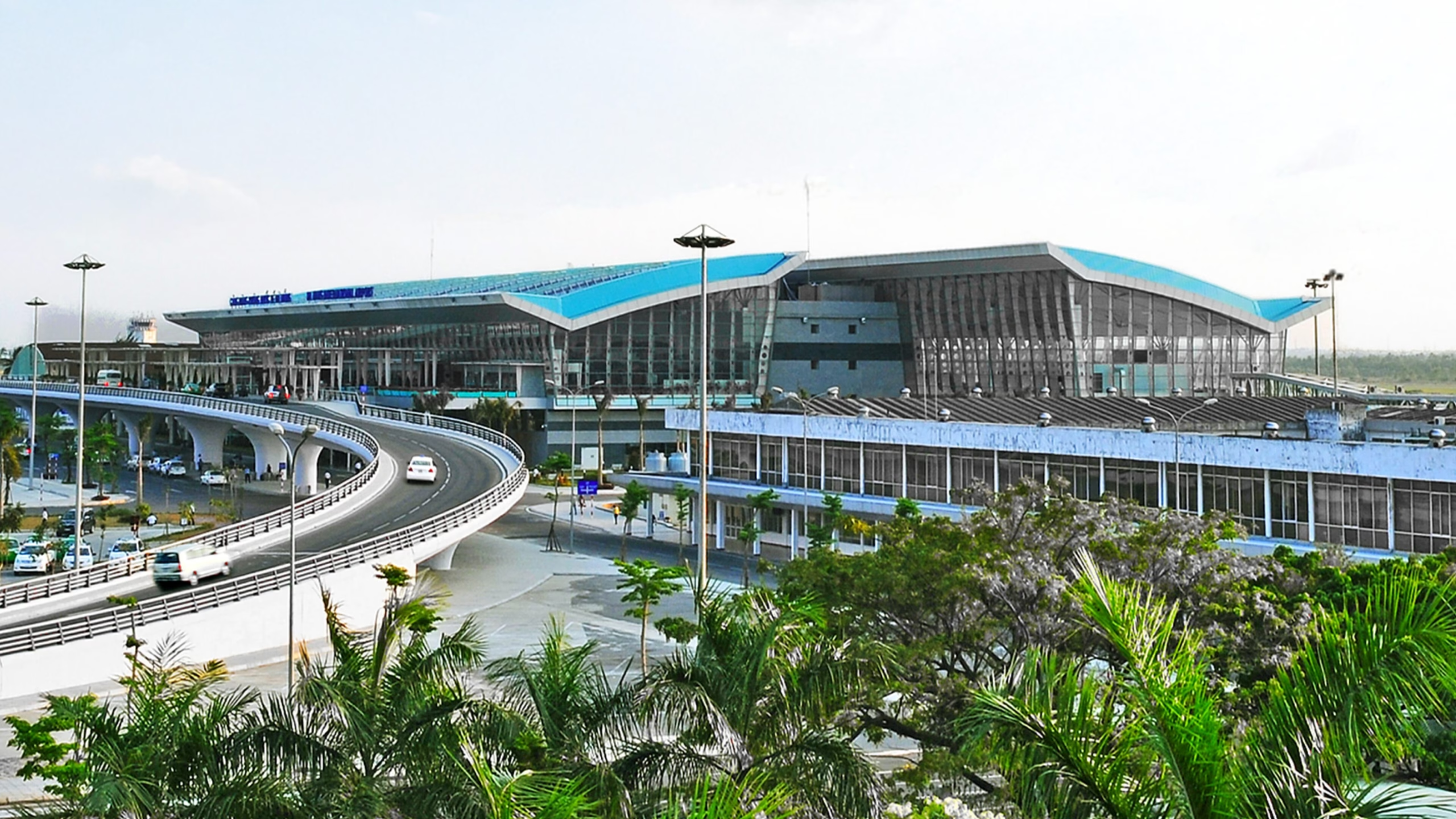
Da Nang International Airport (Terminal T2) – Da Nang City, Vietnam

Norodom Business Tower – Phnom Penh Capital, Cambodia
5. QDP – A competent expert in local and global façade industry
Understanding what a façade is and what it can do – is the first step toward building a better, greener, and more iconic structure. Whether your project is in Vietnam or abroad, QDP offers the technical know-how and architectural finesse to bring your vision to life.
Learn more about QDP façade systems at qdp.vn
Contact our technical team at contact@qdp.vn