DAIKIN TOWER | SHAPING GREEN HORIZONS, BUILDING TOMORROW’S FUTURE
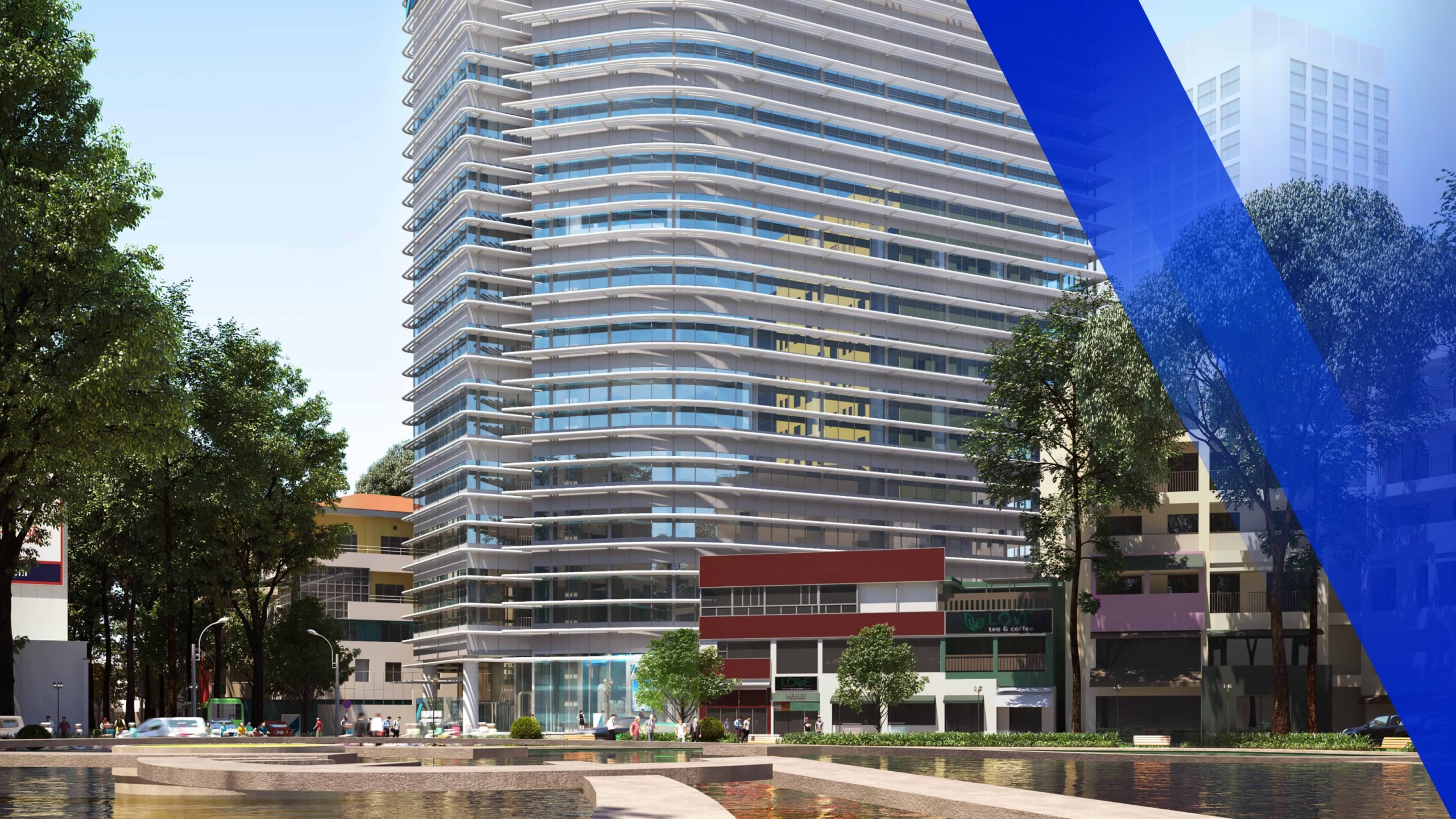
A Global Lead Landmark – Symbol of the Green High-Rise Movement
Located in the heart of Ho Chi Minh City, Daikin Air Tower stands not only as a striking architectural icon but also as a clear statement of sustainable progress in modern construction.
As Daikin’s first-ever global office tower, the building is developed with a long-term vision for green architecture — proven by achieving the triplet of world’s most prestigious sustainability certifications: LEED Platinum, LOTUS Platinum, and WELL Platinum.
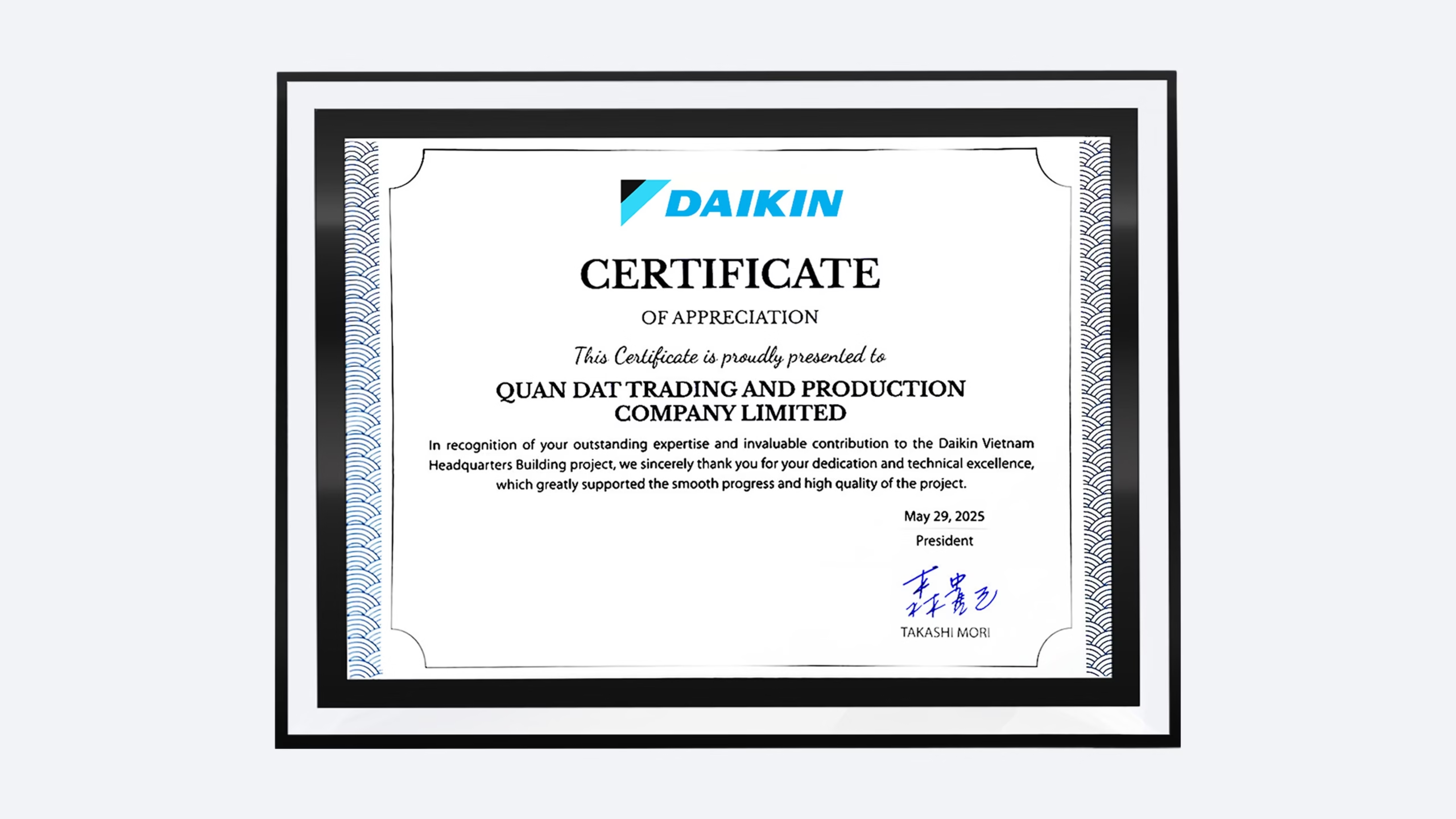
1. LOTUS green standard & its role of façade
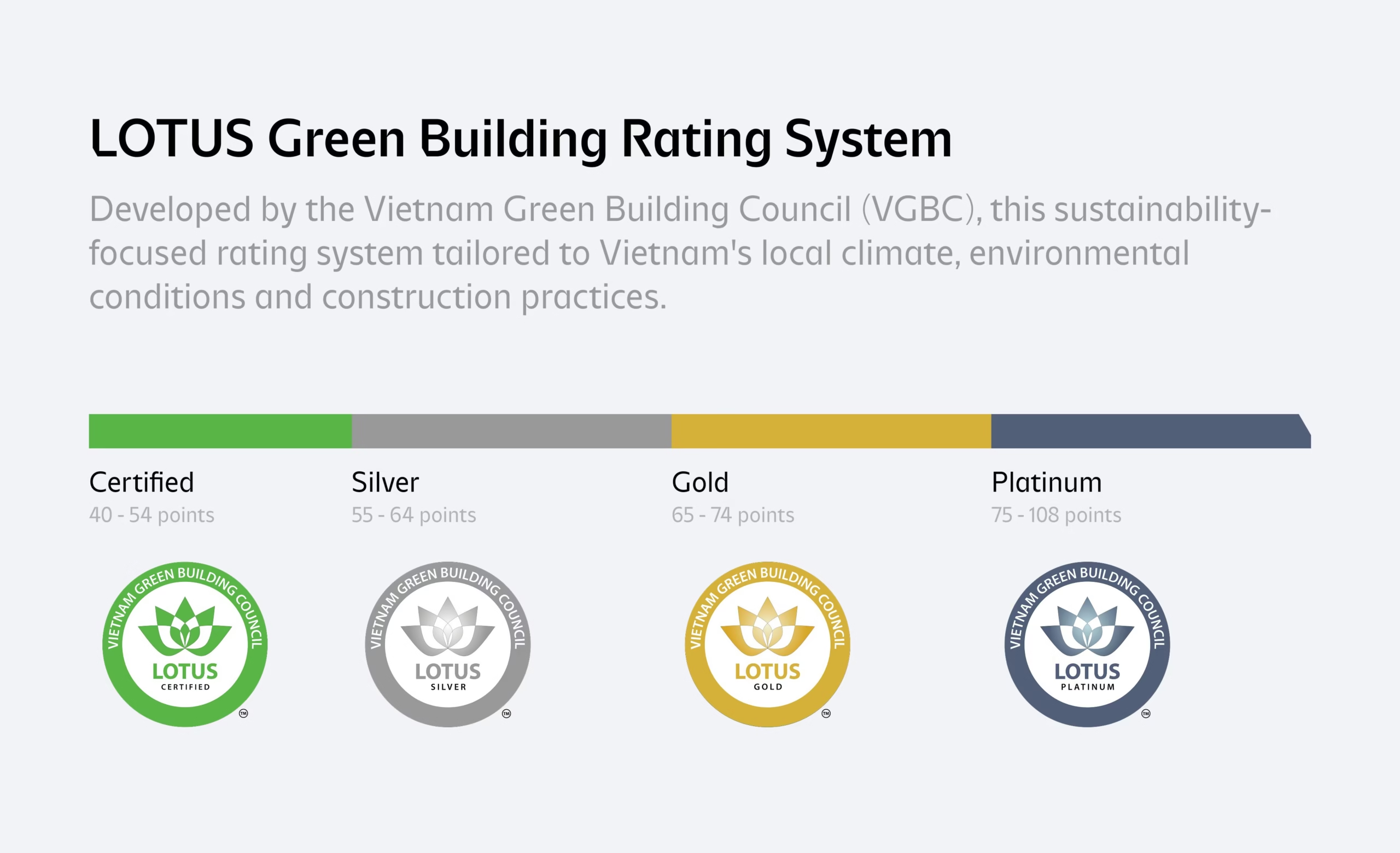
1.1 About LOTUS
LOTUS is Vietnam’s own green building certification system, developed by the Vietnam Green Building Council (VGBC) and officially launched in 2010. It is designed specifically for Vietnam’s climate conditions, available resources, and construction landscape.
Building projects are rated upon these levels:
Certified (40–54 points)
Silver (55–64 points)
Gold (65–74 points)
Platinum (75–108 points)
1.2 Façade’s role in LOTUS
Façade plays a critical role in helping projects meet LOTUS standards by directly influencing:
Energy Efficiency: The use of low-E glass and insulated cladding helps minimize cooling loads, improving operational performance and reducing energy use.
Natural Daylighting: Smart façade design regulates and distributes daylight, cutting down on artificial lighting and improving workplace productivity.
Sustainable Materials: Materials with clear origins and international certifications (e.g. FSC, ISO 14001) are prioritized in façade construction, contributing positively to the project’s score.

2. WELL – Human well-beings at the heart of design
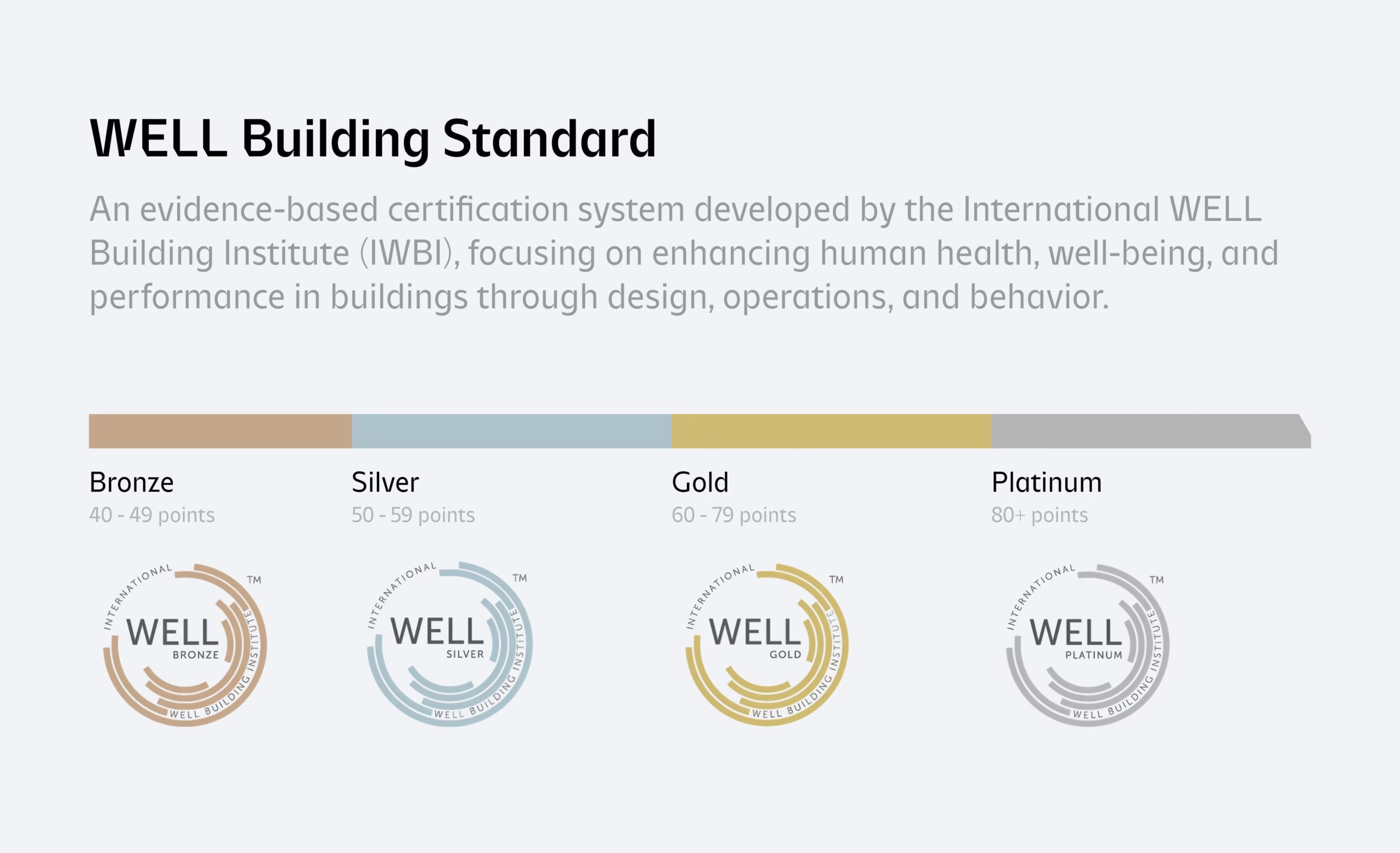
2.1 About WELL
Developed by the International WELL Building Institute (IWBI), the WELL Building Standard focuses on human health and experience in both living and working spaces. It evaluates buildings across ten key categories, including air quality, light, sound, nourishment, movement, mental well-being, and community connection.
WELL ratings are awarded at four levels:
Certified (40–49 points)
Silver (50–59 points)
Gold (60–79 points)
Platinum (80+ points)
2.2 Façade for healthier living environments
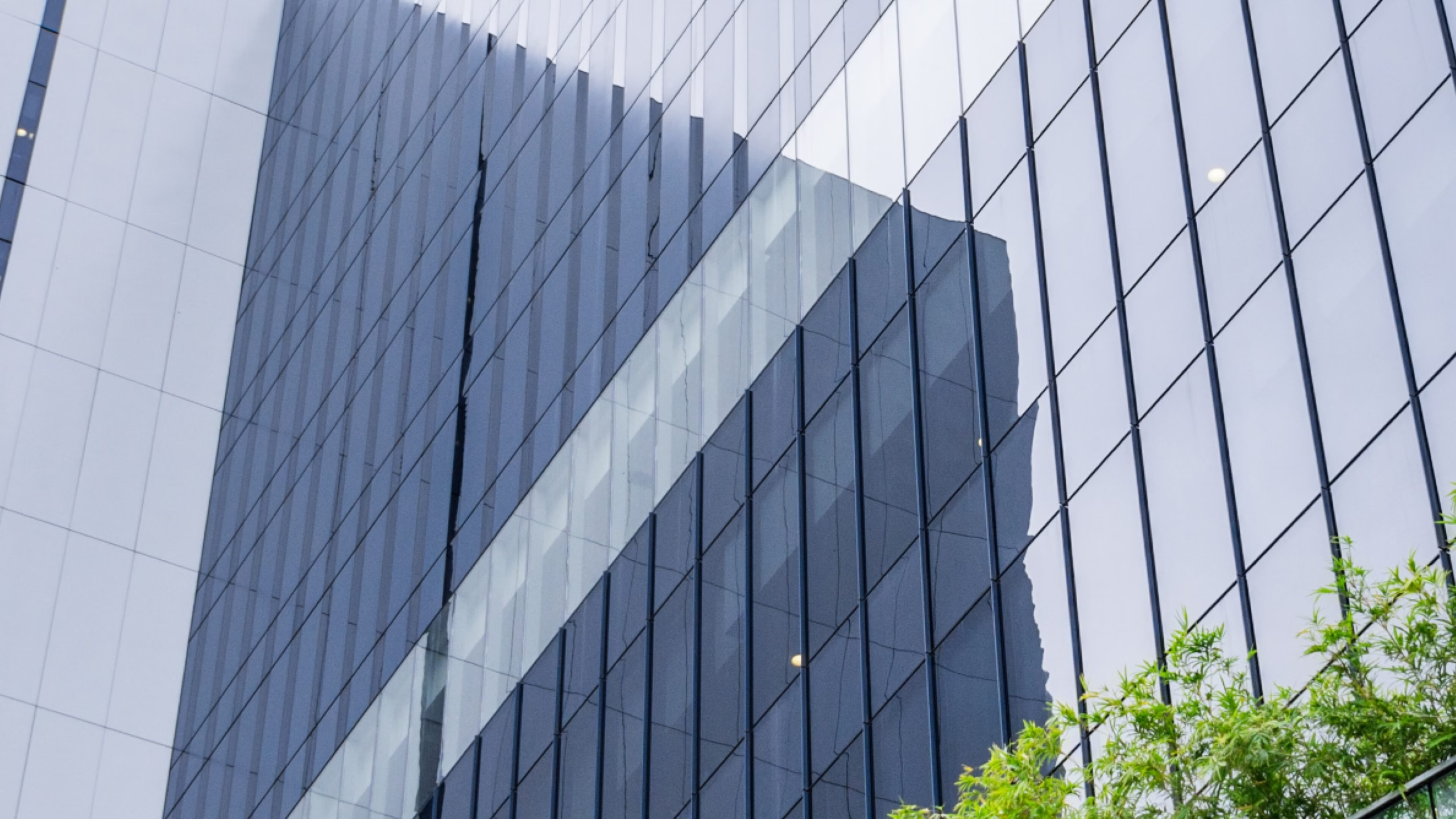
In modern construction, façade systems go far beyond aesthetics — they are essential to meeting WELL standards and supporting sustainable living. QDP’s façade solutions actively contribute to key WELL categories:
- Air: Airtight designs with effective filtering reduce PM2.5, VOCs, and other pollutants.
- Light: Façades optimize natural daylight through window-to-wall ratio control and dynamic shading systems, improving light quality and energy conversion.
- Materials: QDP selects low-VOC materials with environmental certifications such as ISO 14001, recycled content, and EPD-compliant components — aligning with WELL and LEED/LOTUS MR standards.
3. LEED – The Global Benchmark for Sustainable Design
3.1 About LEED
LEED (Leadership in Energy and Environmental Design), developed by the U.S. Green Building Council (USGBC), is one of the most globally recognized certification systems for energy efficiency and environmentally responsible design. Its four levels of certification are:
Certified (40–49 points)
Silver (50–59 points)
Gold (60–79 points)
Platinum (80+ points)

3.2 Façade’s role in LEED: function, performance, and innovation
In the LEED framework, the building façade is more than a protective shell — it’s a strategic component of environmental and energy performance. With deep expertise, QDP plays a key role in developing façades that contribute directly to multiple LEED categories:
Energy & Atmosphere (EA): QDP’s façades incorporate low-E glazing, thermal aluminum systems, and optimized sun-shading to reduce heat gain, maximize natural light, and ease HVAC loads.
Indoor Environmental Quality (IEQ): Integrated light sensors, natural ventilation, and glare control solutions enhance air quality and occupant comfort, creating healthy, livable spaces.
Materials & Resources (MR): QDP selects high-recycled-content, low-VOC materials with verified EPDs, supporting the use of environmentally responsible resources.

4. Building New Standards for Sustainable Urban Living
At QDP, a façade is never just a structural element — it’s a reflection of commitment to sustainable living and responsible design for people and communities across Vietnam.
By strictly adhering to energy-efficient design principles, environmental standards, and responsible material sourcing, QDP showcases its technical capabilities and sustainable mindset across every project.
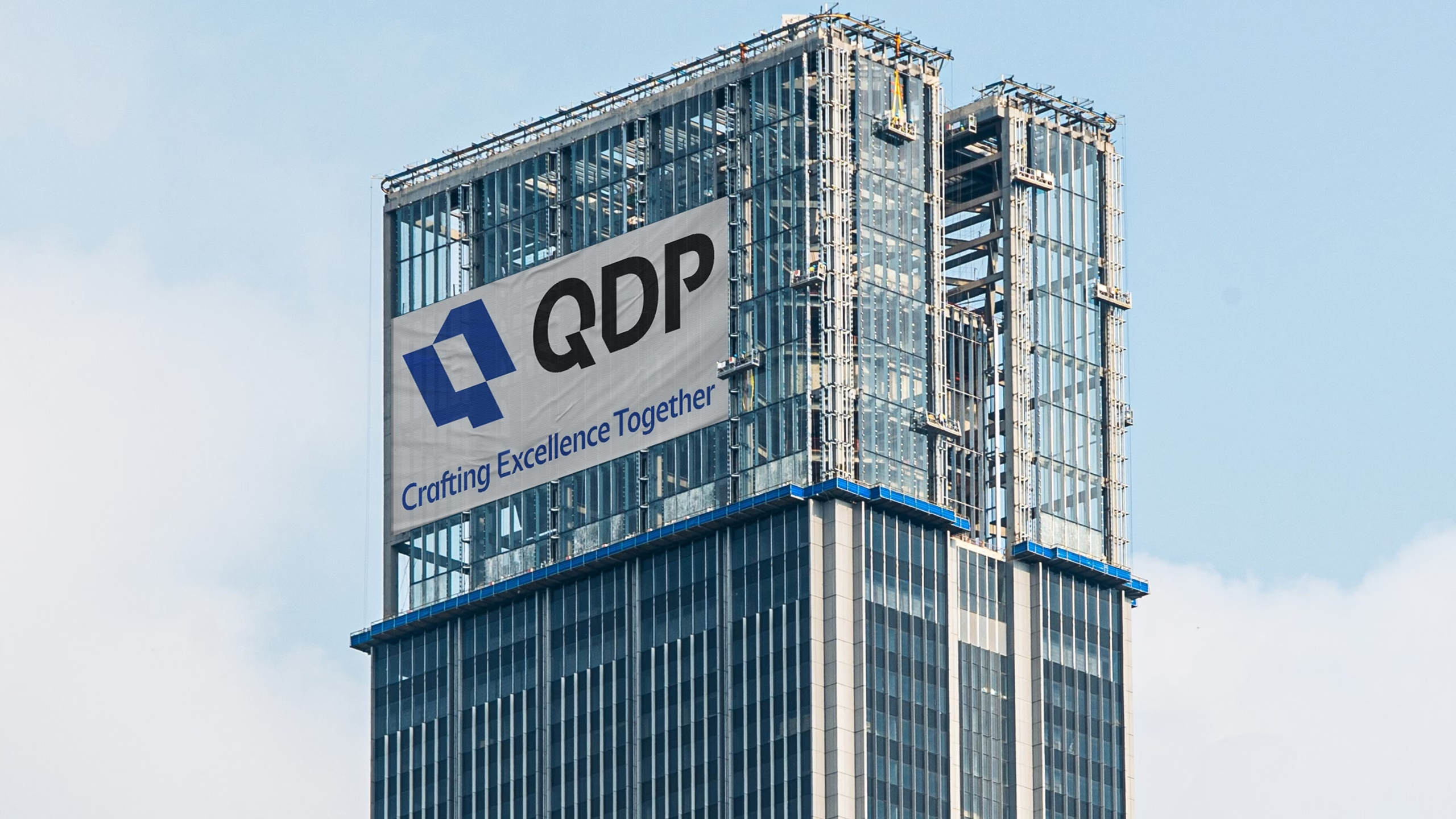
From E-Town 6 to Daikin Air Tower, QDP not only helps buildings meet green certification targets but also contributes to setting new benchmarks for healthy, sustainable urban development in Vietnam.
Explore more of QDP and our manufacturing capabilities here.